
ReelFlix
160 films by 63 directors, each with its cast, its rating and a Watch now button.
Directed by Charlie Chaplin
4 filmsOpen the reel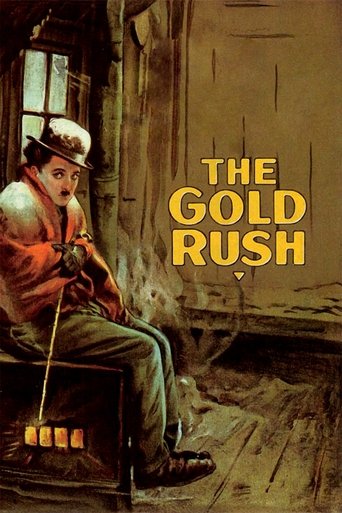 The Gold Rush1925
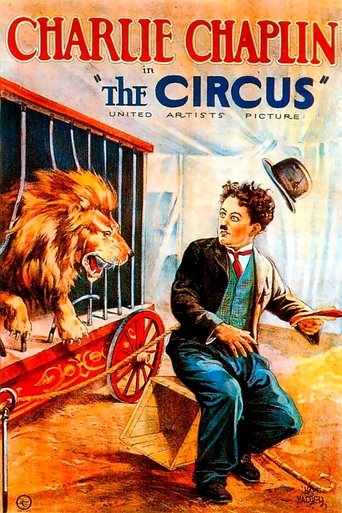 The Circus1928
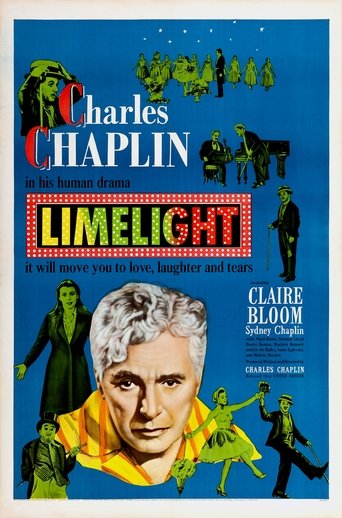 Limelight1952
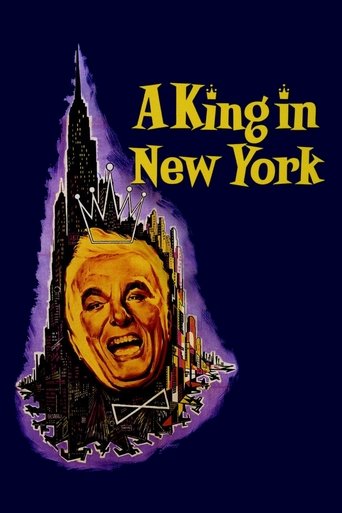 A King in New York1957
Directed by Ernst Lubitsch
4 filmsOpen the reel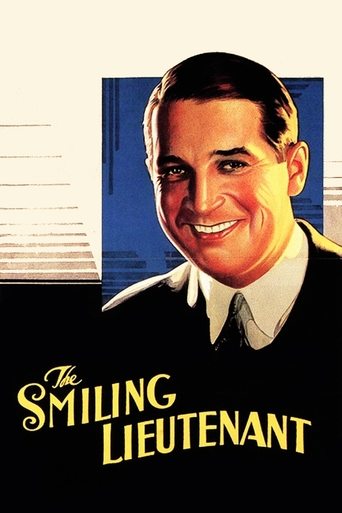 The Smiling Lieutenant1931
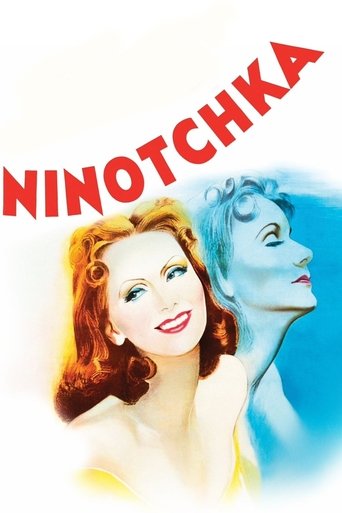 Ninotchka1939
 The Shop Around the Corner1940
 Cluny Brown1946
Directed by Howard Hawks
7 filmsOpen the reel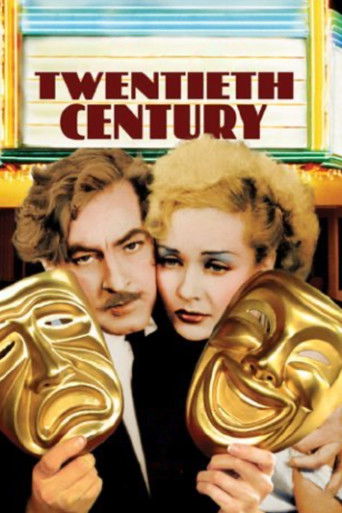 Twentieth Century1934
 Only Angels Have Wings1939
 Monkey Business1952
 The Big Sky1952
 Land of the Pharaohs1955
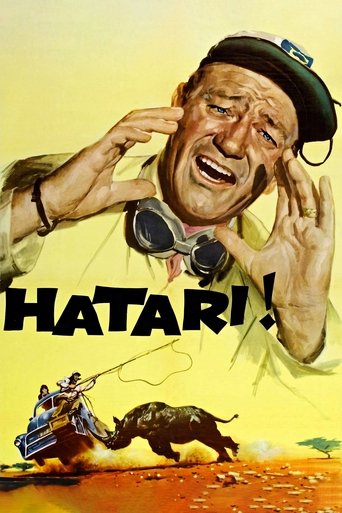 Hatari!1962
 Man's Favorite Sport?1964
Directed by George Cukor
6 filmsOpen the reel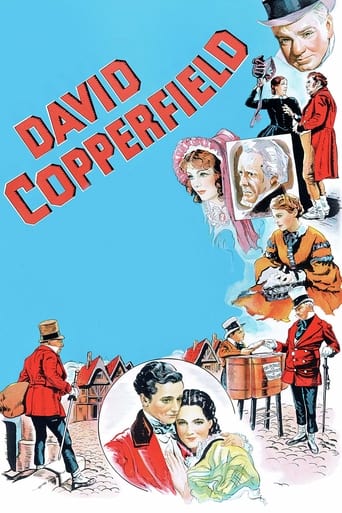 David Copperfield1935
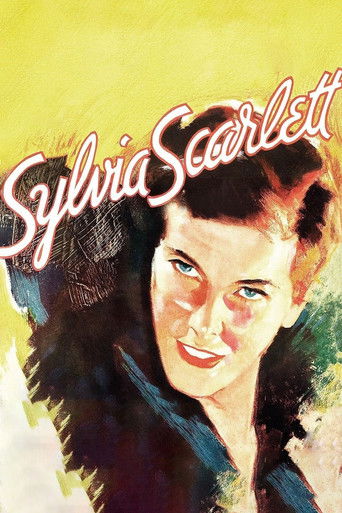 Sylvia Scarlett1935
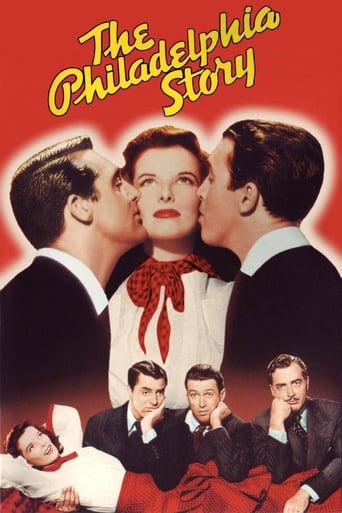 The Philadelphia Story1940
 Born Yesterday1950
 Let's Make Love1960
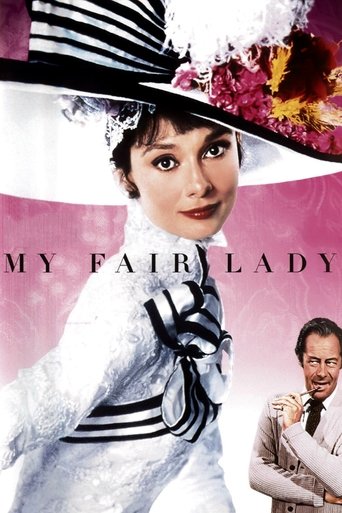 My Fair Lady1964
Directed by Stanley Donen
7 filmsOpen the reel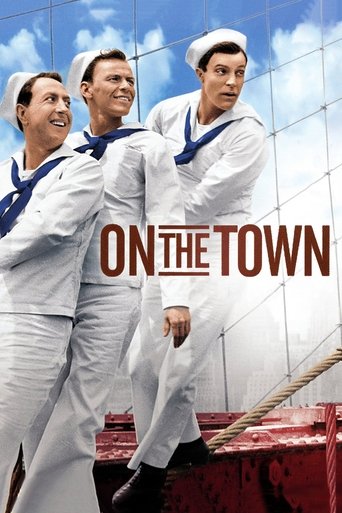 On the Town1949
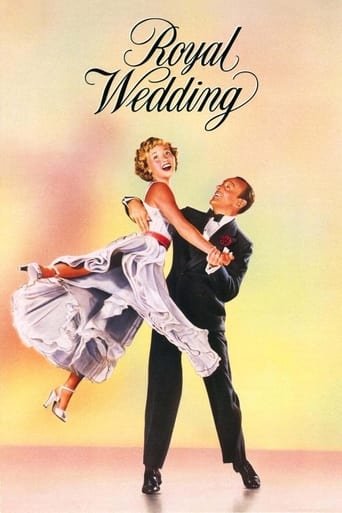 Royal Wedding1951
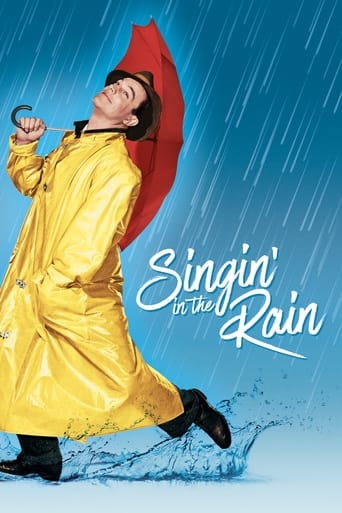 Singin' in the Rain1952
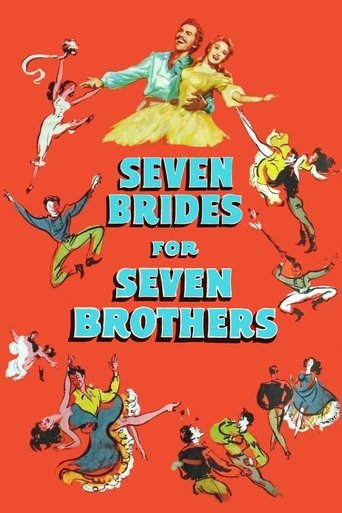 Seven Brides for Seven Brothers1954
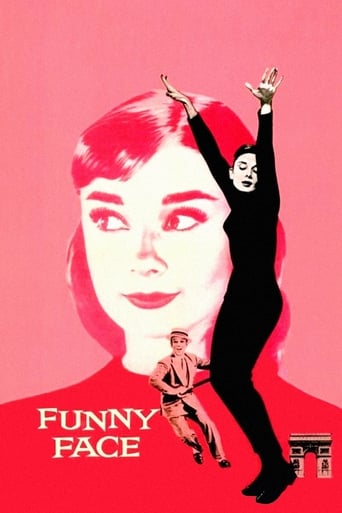 Funny Face1957
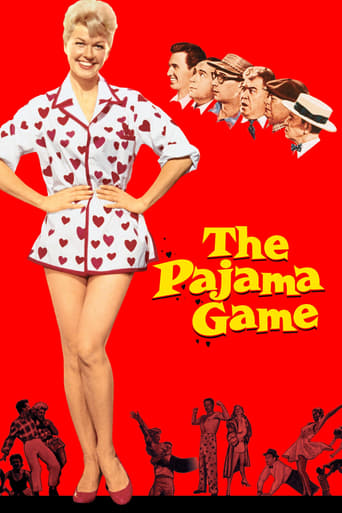 The Pajama Game1957
 The Little Prince1974
Directed by Robert Stevenson
7 filmsOpen the reel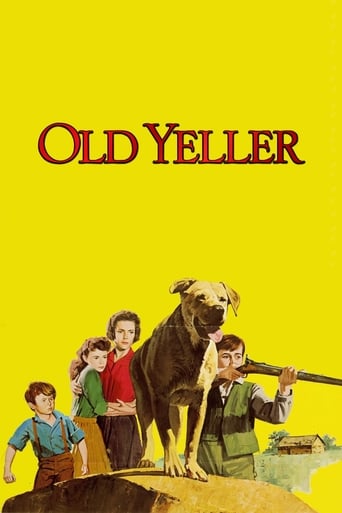 Old Yeller1957
 Darby O'Gill and the Little People1959
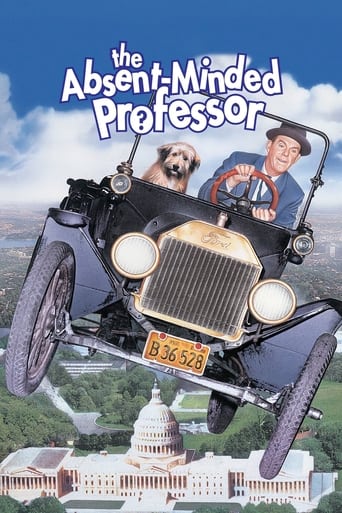 The Absent-Minded Professor1961
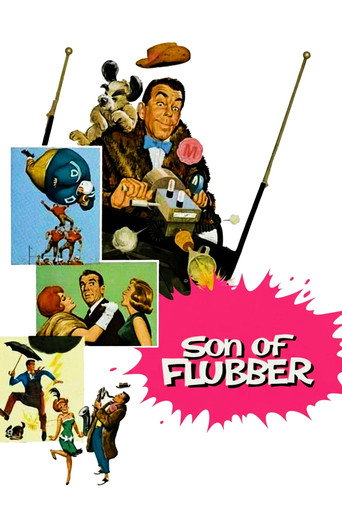 Son of Flubber1963
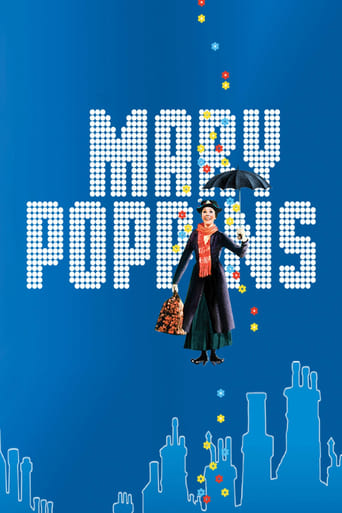 Mary Poppins1964
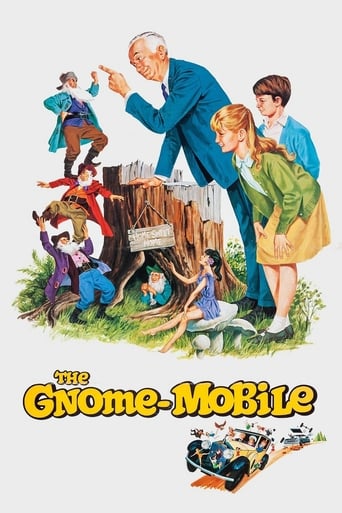 The Gnome-Mobile1967
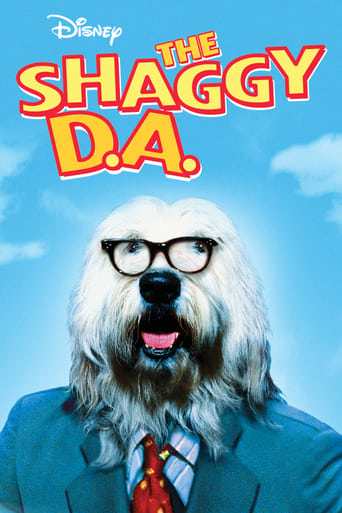 The Shaggy D.A.1976
Directed by Richard Linklater
4 filmsOpen the reel Before Sunrise1995
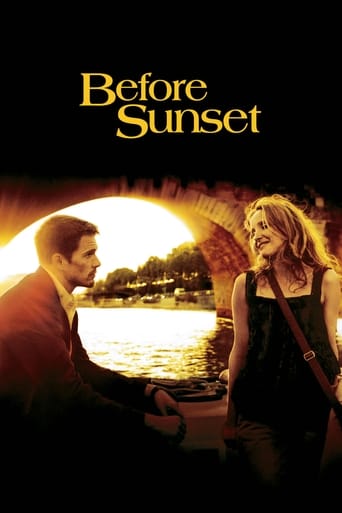 Before Sunset2004
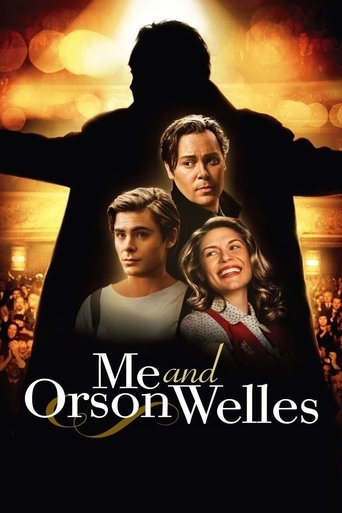 Me and Orson Welles2008
 Where'd You Go, Bernadette2019
Directed by Lasse Hallström
5 filmsOpen the reel Hachi: A Dog's Tale2009
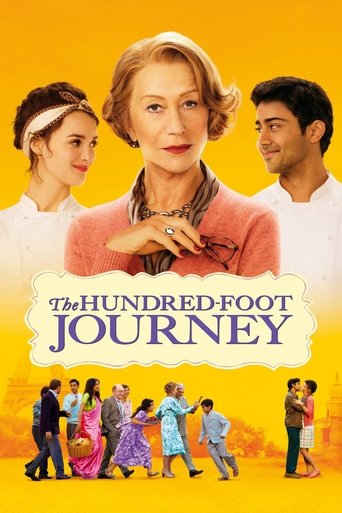 The Hundred-Foot Journey2014
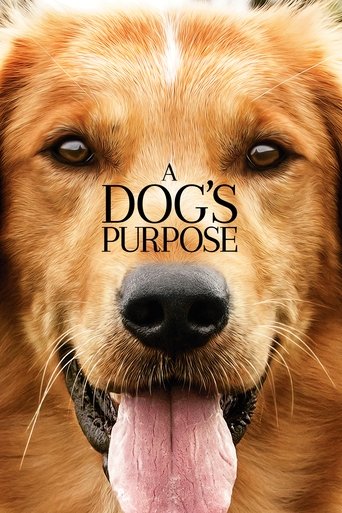 A Dog's Purpose2017
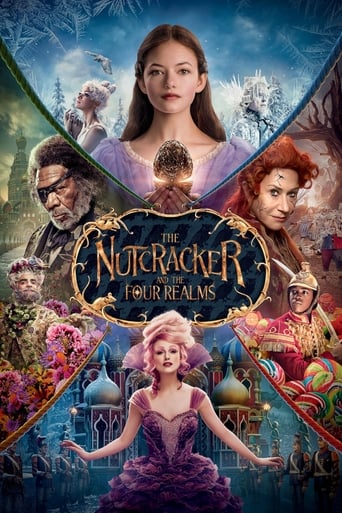 The Nutcracker and the Four Realms2018
 The Map That Leads to You2025
More reels and lists
The ReelFlix guide
ReelFlix: films by director, one reel each, from Chaplin's The Gold Rush, Hawks, Cukor and Donen's Singin' in the Rain to Spielberg's Jurassic Park and Linklater's Before Sunrise
Most film guides are sorted by genre or by year. ReelFlix is sorted by the person in the canvas chair. It lists 160 films by sixty-three directors, made between 1925 and 2025, and it gives each director a reel: the films of theirs that the guide holds, set side by side like frames on a strip. Every film has a page with its cast, its rating, a summary and a single Watch now button. End to end, the 160 films would run for about 285 hours.
Arranging films this way shows things that other arrangements hide. It shows that the man who made the fastest comedy of 1934 also made a western and an Egyptian epic. It shows one director staying with a single studio for twenty years, and another following the same two characters across a decade of their lives. It also makes choosing easier: anyone who enjoyed one film has, at a click, the rest of the same maker's work. Every title was screened by hand for a family audience, so the reels are rich in comedy, musicals, romance, adventure and warm drama.
This guide explains the page, unrolls the long reels one at a time, visits the shorter ones, and ends with practical answers. The four-step summary is on the page called How to watch with ReelFlix.
How ReelFlix works
The site is dark, like the inside of a projection booth, with amber for its lights. The logo is a single frame of film. The menu beside it reads Home, Director reels, four periods, Top rated and A-Z, and the search box stands at the right.
The home page opens with a panel drawn as a clapperboard: striped bars along the top, the heading in the middle, and three counts along the bottom, for directors, films and years. Under it come eight director reels. Each is a black strip with sprocket holes along both edges and up to seven posters between them, set in order of release, with the title and year beneath each frame. A name plate over the strip reads Directed by, followed by the name, the number of films and a link that opens the full reel. A panel of eighteen further reels and lists follows.
A film page gives the poster, the year, the running time, the score out of ten, a summary, the director and the full cast. Beside the Watch now button is a selector with fifteen countries; choose one, press the button, and JustWatch shows the subscription, rental, purchase and free services that carry the film there. On every list in the guide, the line under a poster names the director as well as the year. Finding a film covers the search box and the index.
What counts as a reel
The sixty-three directors fall into three groups. Fourteen have four films or more in the guide, and each of these has a collection under their own name: these are the director reels proper, and the Director reels link in the menu lists them. Twenty-nine directors have two or three films each; their sixty-seven films are gathered in one list called Short reels. Twenty directors are represented by a single film, and those twenty films form the Single reels.
The longest reel belongs to Stephen Herek with eight films. Howard Hawks, Stanley Donen and Robert Stevenson have seven each, George Cukor six, and Garry Marshall, Lasse Hallström and Vincente Minnelli five. Richard Linklater, Kenneth Branagh, Jon Turteltaub, Ernst Lubitsch, Charlie Chaplin and Brian Levant have four. The director reels guide introduces all fourteen.
The numbers reflect the guide's family screening as much as the directors' careers. Steven Spielberg has made more than thirty films, and three are here. What the reels show is each director's gentlest and most widely enjoyed work, which is often a good way to meet them.
Charlie Chaplin
The first strip on the home page is the oldest. Charlie Chaplin wrote, directed, starred in and composed the music for his films, and the reel holds four. The Gold Rush of 1925 takes his tramp to the frozen north in search of fortune; a cabin teeters on the edge of a cliff, a shoe is served for dinner, and two bread rolls perform a dance. The Circus of 1928 has the tramp hired as a clown who is funny only when he is trying to be serious, and it contains a scene in a lion's cage that was filmed with a real lion.
The other two come from the end of his career. Limelight, made in 1952, is set in the London theatres where Chaplin began, and tells of an ageing comedian who nurses a young dancer back to hope. A King in New York, from 1957, is a satire about a dethroned monarch adrift in America. Seen in order, the four films follow a single artist from the height of silent comedy to a reflective old age, across thirty-two years. The Chaplin and Lubitsch page lists both reels.
Ernst Lubitsch
The second strip belongs to Ernst Lubitsch, a Berlin tailor's son who became the most elegant director in Hollywood. People in the business spoke of the Lubitsch touch: a way of telling the audience something delightful by showing a closed door, a pair of hats or an untouched dinner. His reel has four films. The Smiling Lieutenant of 1931 is an early musical with Maurice Chevalier as an officer whose wink at the wrong moment commits him to a princess.
Ninotchka gave Greta Garbo her first comic role in 1939, as a stern Soviet envoy sent to Paris who is undone by a silly hat and a man who makes her laugh. The Shop Around the Corner followed a year later and holds a score of 8.1, the joint highest in the guide: two assistants in a Budapest shop bicker by day and, under pen names, fall in love by post. Cluny Brown, his last completed film, is about a plumber's niece with a talent for fixing drains and for upsetting English manners.
Lubitsch made comedy out of what people leave unsaid, and his films reward a second viewing more than most.
Howard Hawks
Howard Hawks has one of the three longest classic reels, seven films, and the widest range of any director here. He worked in every genre the studios offered and left a model example in each. Three of the seven are comedies. Twentieth Century, from 1934, shuts a tyrannical stage producer and the star he created into a train from Chicago to New York, and lets them shout. Monkey Business gives Cary Grant a youth formula mixed by a laboratory chimpanzee, and Man's Favorite Sport? sends a famous angling writer to a tournament he is wholly unqualified to enter.
The other four are adventures. Only Angels Have Wings is set at a small airfield in South America where pilots carry the mail through a mountain pass in any weather. The Big Sky follows a keelboat up the Missouri, Land of the Pharaohs builds a pyramid with a cast of thousands, and Hatari! spends a season with a team who catch wild animals for zoos on the plains of East Africa.
What joins them is a view of people. Hawks liked groups of professionals who are good at a hard job and who talk fast, tease each other and say little about their feelings. Once that pattern is seen in one film it can be found in all seven. The Hawks and Cukor page sets the two reels side by side.
George Cukor
George Cukor's reel has six films and covers thirty years. He came from the theatre and was known above all for his work with actors; performers in his films won a long list of awards. David Copperfield and Sylvia Scarlett both date from 1935. The first is a faithful Dickens with W. C. Fields as Mr Micawber, and the second is an oddity in which Katharine Hepburn spends most of the story disguised as a boy.
The Philadelphia Story of 1940 brought Hepburn, Cary Grant and James Stewart together for a comedy about a society wedding that goes off course over one long weekend. Born Yesterday, ten years later, won Judy Holliday an Academy Award as a tycoon's companion who takes lessons and starts asking questions. Let's Make Love pairs Marilyn Monroe and Yves Montand, and My Fair Lady of 1964, at 173 minutes the longest film in the guide, won Cukor his own Academy Award.
The reel shows a director who served the script and the cast before himself. Where Hawks is recognised by his situations, Cukor is recognised by how good everyone is.
Stanley Donen
Stanley Donen began as a dancer and was directing at twenty-five. His reel of seven is the most joyful in the guide. Two of the films were made with Gene Kelly as co-director: On the Town, which took its cameras into the real streets of New York for its opening number, and Singin' in the Rain, the comedy about the arrival of talking pictures that stands at the top of the guide's scores with 8.1.
On his own, Donen made Royal Wedding, in which Fred Astaire dances across the walls and ceiling of a room that was built to revolve, Seven Brides for Seven Brothers, whose dancers leap along planks and over sawhorses, Funny Face, a Paris fashion story with Astaire and Audrey Hepburn, and The Pajama Game, set in a clothing factory. The seventh film, The Little Prince of 1974, is a late musical from the well-loved French tale.
Donen's gift was to make the camera part of the dance. In his films it glides, cranes and sometimes turns upside down with the performers, and the result is that the numbers feel as free now as when they were shot. The Donen and Minnelli page lists both musical reels.
Robert Stevenson
Robert Stevenson's name is little known, yet for two decades few directors drew larger audiences. An Englishman, he went to work for Walt Disney in the 1950s and stayed, and his reel of seven is made entirely of Disney films. Old Yeller came first, in 1957, the story of a frontier family and the stray dog that defends them. Darby O'Gill and the Little People followed, with its Irish storyteller and a leprechaun king, made convincing by clever tricks of perspective.
The Absent-Minded Professor and Son of Flubber are comedies about a college chemist and the bouncing substance he invents. Mary Poppins, in 1964, was the peak: a musical that mixed actors with animation and won five Academy Awards, including one for Julie Andrews. The Gnome-Mobile sends a timber baron and his grandchildren to rescue a family of gnomes, and The Shaggy D.A., from 1976, turns a lawyer into a sheepdog at awkward moments.
The reel is a history of one studio's live-action style: bright, tidy, inventive with effects and firmly on the side of children. The Robert Stevenson page gives the seven in order.
Richard Linklater
The first of the modern strips on the home page belongs to Richard Linklater, a Texan who likes to let time itself do the storytelling. Two of his four films here are halves of one experiment. In Before Sunrise, made in 1995, an American and a Frenchwoman meet on a train, get off in Vienna and talk through the night. In Before Sunset, made nine years later with the same actors nine years older, they meet again in Paris for an afternoon. Both score close to 8.0, and they are best watched in order.
Me and Orson Welles is set in New York in 1937, where a schoolboy talks his way into a small part in a famous stage production. Where'd You Go, Bernadette has Cate Blanchett as a brilliant architect who has stopped working and one day disappears, leaving her daughter to follow the trail to Antarctica.
Linklater's films are made of conversation, and they trust the audience to enjoy listening.
Lasse Hallström
The last strip on the home page is Lasse Hallström's. A Swede who first became known for directing music videos for ABBA, he has spent his later career making warm films in English, and five are here. Two are about dogs: Hachi: A Dog's Tale, the story of an Akita who waits at a station, which scores 8.0, and A Dog's Purpose, in which one dog's spirit returns in several lives.
The Hundred-Foot Journey sets two restaurants facing each other across a French village road. The Nutcracker and the Four Realms, which he shared with the director Joe Johnston, is a fantasy drawn from the ballet, and The Map That Leads to You, from 2025, the newest film in the guide, is a romance that travels across Europe.
Vincente Minnelli
Six more directors have reels of their own, reached from the panel under the strips. Vincente Minnelli's has five films. He was a designer of shop windows and stage sets before he directed, and it shows in every frame. Meet Me in St. Louis follows a family through a year in 1903, season by season, in colours like a box of sweets. Brigadoon is a musical about an enchanted Scottish village.
His comedies and dramas are as polished. The Bad and the Beautiful tells the story of a ruthless film producer through the three people he used and made. Designing Woman marries a sportswriter to a fashion designer, and The Long, Long Trailer gives Lucille Ball and Desi Arnaz an enormous caravan and a mountain road.
Garry Marshall
Garry Marshall came from television comedy and brought its warmth to the cinema. His reel has five films. Overboard, from 1987, has Goldie Hawn as a haughty heiress who loses her memory and Kurt Russell as the carpenter who claims her as his wife. Runaway Bride reunited Julia Roberts and Richard Gere. The Other Sister is a gentle love story, The Princess Diaries 2: Royal Engagement sends a young queen in search of a husband, and Valentine's Day follows two dozen people through one day in Los Angeles. The Herek, Marshall and Hallström page covers three of the recent reels.
Stephen Herek
The longest reel in the guide, eight films, belongs to Stephen Herek, a dependable maker of popular entertainment since the late 1980s. It begins with Bill & Ted's Excellent Adventure, in which two cheerful Californian schoolboys borrow a time machine to collect historical figures for a class presentation. Mr. Holland's Opus is his most admired film: Richard Dreyfuss plays a composer who takes a teaching job for a year or two and stays for thirty, and the film measures a life by the pupils it touched.
The rest of the reel shows a working director moving with the times. Life or Something Like It is a romantic comedy with Angelina Jolie as a television reporter. Picture This and The Cutting Edge: Fire & Ice were made for younger viewers, The Great Gilly Hopkins adapts a well-known children's novel about a foster child, Dog Gone tells the true story of a father and son searching for a lost pet along a mountain trail, and Our Little Secret, from 2024, is a Christmas comedy.
Kenneth Branagh
Kenneth Branagh, the Belfast-born actor and director, has four films on his reel, and Shakespeare is behind two of them. As You Like It moves the comedy to a forest in nineteenth-century Japan. All Is True imagines the playwright's last years at home in Stratford, with Branagh himself in the part and Judi Dench as Anne Hathaway.
The other two could hardly be more different from each other. Cinderella, from 2015, is a lavish and sincere retelling of the fairy tale, with a ball gown that needed several people to carry it. Belfast, from 2021, is small, personal and mostly in black and white: a nine-year-old boy, his parents and grandparents, and one street in the summer of 1969. It won Branagh the Academy Award for his screenplay.
Jon Turteltaub and Brian Levant
Two directors of the 1990s have reels of four. Jon Turteltaub made Cool Runnings, the comedy about a bobsleigh team from Jamaica, and While You Were Sleeping, in which a lonely Chicago ticket clerk is taken for the fiancée of a man she has only admired from her booth. Phenomenon gives John Travolta a sudden and mysterious brilliance, and The Kid introduces a busy consultant to the eight-year-old he used to be.
Brian Levant specialised in family comedy on a large scale. Beethoven is about a suburban father and a very big dog. The Flintstones rebuilt a cartoon town in rock and fur. Jingle All the Way is a Christmas Eve hunt for a toy, and Snow Dogs sends a Miami dentist to Alaska to claim an inheritance that barks. All four were made to be watched by a whole household at once, and they still serve.
The short reels: three films
The Short reels list gathers the twenty-nine directors with two or three films each, sixty-seven films in all, and some of the best-known names in cinema are among them. Steven Spielberg has three: Jurassic Park, the most watched film in the guide, The Terminal and The BFG. Together they show a director equally at ease with terror held at a safe distance, with comedy in a confined space and with a fairy tale.
Frank Capra's three all come from the 1930s. Lady for a Day is about a street seller whom a gang of soft-hearted gamblers disguise as a society lady. It Happened One Night put a runaway heiress and a reporter on a bus. Lost Horizon found a peaceful valley hidden in the Himalayas. William Wyler's three include two Bette Davis and Laurence Olivier dramas, Jezebel and Wuthering Heights, and the sunniest of all his films, Roman Holiday.
Among the living, Tim Burton is represented by Pee-wee's Big Adventure, his first feature, Big Eyes and Dumbo. Jon Favreau has Elf, Chef and The Jungle Book, three films as different as could be, joined only by good humour. Jon M. Chu has Step Up 3D, Crazy Rich Asians and In the Heights. Mark Waters, Adam Shankman and Les Mayfield, three reliable hands at family comedy, complete the group; Mayfield's Miracle on 34th Street and Flubber are both new versions of much older films.
The short reels: two films
Twenty directors have exactly two films, and the pairs are often revealing. John Hughes directed The Breakfast Club and Ferris Bueller's Day Off within two years of each other, and between them they define how the 1980s saw the teenager. Nancy Meyers has What Women Want and The Holiday. Harold Ramis has Groundhog Day, which philosophers and comedians admire equally, and Multiplicity, in which an overworked builder has himself copied.
Leo McCarey's two films were both released in 1937 and could be the work of different men: The Awful Truth is a sparkling comedy of divorce, and Make Way for Tomorrow is one of the most moving films about old age made anywhere. Ron Howard has Parenthood and A Beautiful Mind, Rob Reiner Flipped and And So It Goes, Ivan Reitman Dave and Draft Day, and Cameron Crowe Say Anything... and We Bought a Zoo.
Robert Zemeckis is represented by Back to the Future Part II and by Here, a 2024 film that keeps its camera in one corner of one room across many generations. Chris Columbus has Home Alone 2: Lost in New York and The Christmas Chronicles: Part Two. Mike Newell made Four Weddings and a Funeral and a Great Expectations. Gurinder Chadha has Bride & Prejudice, which carries Jane Austen to India with songs, and Blinded by the Light. Peter Bogdanovich's pair includes Noises Off..., a farce about a touring play that falls apart from behind the scenery. The short reels guide lists more.
The single reels
Twenty directors appear once, and their twenty films make a splendid list in their own right. From the classic era come Preston Sturges with The Palm Beach Story, Billy Wilder with The Spirit of St. Louis and Blake Edwards with Breakfast at Tiffany's. Sturges was the first Hollywood writer to insist on directing his own scripts, and the speed of his dialogue has rarely been matched.
The 1980s and 1990s supply Big, directed by Penny Marshall, the first woman to direct a film that took more than a hundred million dollars at the American box office. Mike Nichols made Working Girl, in which a secretary from Staten Island takes over her employer's office and her best idea. Peter Weir, an Australian, made Green Card, about a Frenchman and a New Yorker who marry for convenience and must then convince the authorities. Frank Oz made What About Bob?, P. J. Hogan My Best Friend's Wedding and Norman Jewison Bogus.
The recent singles are among the most loved films of their years. Martin Scorsese's Hugo is a tribute to the first magicians of cinema. Paul King's Paddington and Taika Waititi's Hunt for the Wilderpeople are comedies of rare kindness. Nora Ephron's Julie & Julia was her last film. John Lee Hancock made The Founder, Tom McCarthy Win Win, Peter Chelsom Serendipity and James L. Brooks How Do You Know. The single reels guide sorts the twenty by period.
Before 1970
The four period lists cut across the reels. The earliest, Before 1970, holds fifty-one films, nearly a third of the guide, and it is dominated by the fourteen named directors: Chaplin, Lubitsch, Hawks, Cukor, Donen, Minnelli and Stevenson supply thirty-eight of its titles between them.
This was the age of the studio contract, when a director might make two films a year for the same company with the same crew. It explains the length of the classic reels and their consistency. A Hawks film from Columbia and one from Paramount share a manner because he carried it with him; a Minnelli film looks like MGM because he helped to decide what MGM looked like. The Before 1970 page picks out the highlights by decade.
Three later periods
The list for 1970 to 1994 is the smallest, with twenty-six films, among them The Breakfast Club, Big, Overboard, Working Girl, Parenthood, Father of the Bride, Groundhog Day, Jurassic Park and Four Weddings and a Funeral. The list for 1995 to 2009 has thirty-eight, from Before Sunrise and Jumanji to Elf, The Terminal, The Holiday and Julie & Julia.
The newest list, 2010 to 2025, has forty-five films. It includes Hugo, Paddington, Chef, Cinderella, The Jungle Book, Hunt for the Wilderpeople, Crazy Rich Asians, Belfast and Here. In these years directors moved freely between cinema and streaming services, and several films on the list were made for the home screen. The directors since 1970 page links to all three lists.
Top rated
The Top rated list holds the twenty-four films that score 7.5 or higher from at least three hundred ratings. Two share first place at 8.1: Donen and Kelly's Singin' in the Rain and Lubitsch's The Shop Around the Corner. Five follow at 8.0: Chaplin's The Gold Rush, Spielberg's Jurassic Park, Linklater's Before Sunrise, Reiner's Flipped and Hallström's Hachi: A Dog's Tale.
At 7.9 stand The Circus, Limelight, Roman Holiday and A Beautiful Mind. It Happened One Night, Before Sunset and Back to the Future Part II have 7.8, and The Breakfast Club 7.7.
Read by director, the list is striking. Chaplin has three of his four films on it and Linklater two of his four. The oldest film in the guide and some of the newest share the same few places at the top, which says something about how little the qualities of a good film have changed in a hundred years. The top rated page gives the order.
Five genres across the reels
The guide keeps five genre lists for visitors who would sooner choose by mood. Comedy is much the largest, with 115 of the 160 films, and almost every director contributes to it. Romance has eighty-three, drama seventy-three, adventure fifty-one and family forty-three. A film may sit in more than one.
The genre lists are a good way to compare directors. Under comedy, a visitor can set a Lubitsch beside a Sturges, a Hawks beside a Ramis. Under family, Stevenson's Disney films stand next to Levant's and Favreau's. Under adventure, Hatari!, Jumanji, Jurassic Park and The Jungle Book show four generations sending actors into the wild, the last of them with a jungle built inside a computer. The genres page links to all five lists.
Directors and their actors
A director's reel is often an actor's reel too, and the partnerships are part of the pleasure. Cary Grant appears for three of the classic directors here: for Hawks in Only Angels Have Wings and Monkey Business, for Cukor in Sylvia Scarlett and The Philadelphia Story, and for McCarey in The Awful Truth. Katharine Hepburn was Cukor's favourite star and Walter Lang's leading lady in Desk Set.
Gene Kelly danced for Donen and for Minnelli, and so did Fred Astaire. Audrey Hepburn made Roman Holiday for Wyler, Funny Face for Donen, Breakfast at Tiffany's for Edwards and My Fair Lady for Cukor, four directors and four of her best-known parts. Fred MacMurray was Stevenson's absent-minded professor twice.
The modern reels have their pairs as well. Ethan Hawke and Julie Delpy belong to Linklater. Julia Roberts made Runaway Bride and Valentine's Day for Garry Marshall, and Richard Gere made Hachi: A Dog's Tale for Hallström. Tom Hanks appears for Penny Marshall in Big, for Spielberg in The Terminal and for Zemeckis in Here, and Bill Murray for Ramis in Groundhog Day and for Oz in What About Bob?.
How to watch a director
Watching several films by one director is a different pleasure from watching several films of one kind. The trick is to look for what repeats. With Hawks it is the group of friends at work. With Lubitsch it is the door that closes at the important moment. With Donen it is the travelling camera, with Stevenson the neat special effect, with Linklater the long walk and the longer talk.
A second trick is to watch in order of release, which is how the strips on the home page are arranged. The four Chaplin films make a small autobiography. The Cukor reel shows a stage director slowly becoming a master of the wide screen. Even a short reel can tell a story: Favreau's three films run from a modest Christmas comedy to one of the most technically ambitious productions of its decade, with a film about a food truck in between.
A third is to notice what a director avoids. Wyler hardly moves his camera. Capra seldom lets a scene end sadly. Levant keeps every joke within reach of a seven-year-old. A style is made of refusals as much as of choices, and a reel is where they show.
Double bills by director
The reels make double bills easy to plan. The obvious ones use a single director: Before Sunrise and Before Sunset; The Absent-Minded Professor and Son of Flubber; On the Town and Singin' in the Rain, made three years apart by the same two men. McCarey's two films of 1937 make the strangest and most rewarding pair in the guide, a comedy followed by a film that will leave the room silent.
Others set one director against another. The Philadelphia Story by Cukor and The Awful Truth by McCarey are both about a divorced couple who keep finding their way back to each other, with Cary Grant in each. Lubitsch's Ninotchka and Wyler's Roman Holiday are both about a woman of rank set loose in a beautiful city. Hughes's Ferris Bueller's Day Off and Ramis's Groundhog Day are both about a single day used to the full, once by a boy who plans it and once by a man who has it forced on him.
A third kind of pair crosses the decades. Mary Poppins and Paddington are both about a visitor who mends a London family. The Gold Rush and Hugo sit eighty-six years apart, and the second is in part a salute to the age of the first.
Choosing by the time you have
The shortest film in the guide is The Circus at seventy-two minutes, and the silent and early sound films are generally brief: The Smiling Lieutenant, Twentieth Century and The Awful Truth all finish within an hour and a half. The comedies of the 1990s are much the same length, which is one reason they are still chosen for a weeknight.
Musicals and adventures run longer. Mary Poppins and Hatari! each pass two and a quarter hours, and My Fair Lady reaches 173 minutes and was made to be shown with an interval. Mr. Holland's Opus and A Beautiful Mind are long modern dramas that earn their length.
The reels suggest another way of using time: a director a month. Four evenings are enough for Chaplin, Lubitsch, Linklater or Branagh. Hawks, Donen and Stevenson need seven, and at that pace the fourteen named reels would fill a little over a year.
Choosing by the company you keep
For young children, Stevenson and Levant are the directors to choose, together with Paddington, The Jungle Book, The BFG and Dumbo. The Gold Rush and The Circus belong on the same list, since children take to Chaplin at once.
For children of school age and teenagers, the guide suggests Herek's Bill & Ted's Excellent Adventure, Hughes's two films, Jumanji, Jurassic Park for those old enough to enjoy a fright, and Hunt for the Wilderpeople. Flipped and Say Anything... are for anyone who remembers a first love or is about to have one.
For adults, Lubitsch, Cukor and Linklater offer conversation of the highest order. For several generations together, the musicals are the surest ground, along with Roman Holiday, Father of the Bride and Crazy Rich Asians. A family that watches Singin' in the Rain together once will generally want to do so again.
A few words of the trade
A guide sorted by director may as well explain a little of what directors do. The director decides where the camera goes, how the actors play each moment and, with the editor, how the pieces are joined. In the studio era most directors were employees who were handed a script and a cast; the ones on these reels are those who left a personal mark all the same.
A reel, in the literal sense, is the spool that holds the film. A feature once travelled to the cinema as five or six of them, each lasting about twenty minutes, and the small mark that flashed in the corner of the picture told the projectionist that it was time to change over. The strips on the home page, with their sprocket holes, recall that machinery, and the clapperboard at the top recalls the hinged slate that is snapped shut before every take so that sound and picture can be matched.
The cinema has long since moved to digital files, and this hardware has left the projection booth. The words have stayed, and so has the idea behind them: that a film is a made thing, and that knowing who made it is the best clue to whether you will like the next one.
Stories filmed twice
Because the guide spans a century, several of its films are answers to earlier ones, and the reels let a visitor see both. The clearest case is inside the guide itself: Les Mayfield's Flubber of 1997 is a new version of Robert Stevenson's The Absent-Minded Professor of 1961, with Robin Williams in the part first played by Fred MacMurray and a computer doing what wires and trampolines once did. Watching the two in one evening is a short lesson in thirty-six years of film-making.
Other pairs reach outside the catalogue. Charles Shyer's Father of the Bride retells a comedy that Vincente Minnelli directed in 1950. Shawn Levy's Cheaper by the Dozen borrows its title and its large family from a film by Walter Lang, another director with a reel here. Mayfield's Miracle on 34th Street returns to a Christmas favourite of 1947, and Branagh's Cinderella, Burton's Dumbo and Favreau's The Jungle Book each rebuild an animated classic with living actors.
The traffic runs the other way too. Lubitsch's The Shop Around the Corner and Ninotchka were both remade as musicals, and Cukor's The Philadelphia Story became one as well. A good story is seldom told only once, and each telling carries the signature of whoever was directing.
My Reel Can
A reel can is the flat round tin in which film is stored, and My Reel Can is where ReelFlix keeps your own choices. The list button on any film page adds the film; the Remove button on the list page takes it out. The list is held in the browser on your own device, so it opens at once, and its page can save the whole can as a file. The My Reel Can page explains each step.
The natural way to fill it is a reel at a time. Put the four Linklater films in, watch them across a fortnight, and then start on Lubitsch. Or mix eras: one silent comedy, one musical, one film of the 1990s and one from the last decade, for example The Circus, Funny Face, While You Were Sleeping and Belfast.
The can works well as a record too. Once a film has been watched and removed, the gap is a reminder to add the same director's next, and in that way a visitor moves along a strip frame by frame.
A ReelFlix film page, frame by frame
A ReelFlix film page is laid out in dark panels edged with amber. The title stands in cream type at the head with the original title beneath it. The poster follows in a thin frame, and beside it a row of small tags gives the year, the running time and the genres. A summary of a few sentences introduces the story and stops well short of the ending. The Watch now button and the list button come next, and a panel beneath them holds the country selector with a second Watch now button. A table of facts follows, with the release date, the country, the studio and the score out of ten together with the number of ratings that support it. The director and the cast are listed with their roles, and every name is a link, so that a director's whole reel is one press away and an actor can be followed from one director's reel to another's.
Which reel first
For a visitor new to older films, Donen's is the reel to begin with, since Singin' in the Rain converts nearly everyone. For a visitor who knows the classics and wants to go deeper, Lubitsch is the richest four films in the guide. For a household with children, Stevenson's seven will fill a school holiday.
Those who would sooner begin in the present can start with Linklater or Hallström and work backwards. And anyone who simply wants one good film tonight can open the Top rated list, where the director's name stands under every poster as an invitation to the next.
One more suggestion is offered to the adventurous: choose a director whose name means little to you. Most visitors arrive knowing Spielberg and Chaplin. Fewer know that the same Robert Stevenson made seven of the Disney films they grew up with, or that Stephen Herek has been quietly turning out likeable films for thirty-five years, or that Jon Turteltaub directed both the bobsleigh comedy and the Chicago romance they have seen a dozen times. Finding the name behind a favourite film is the small discovery this guide was built for, and it nearly always leads to another film worth an evening. The panel of further reels under the home page strips is the place to look, and the count beside each name shows how long the acquaintance might last. Brian Levant's four family comedies are a friendly place to try the method, and Garry Marshall's five romances are another.
ReelFlix: questions from visitors
Questions
What is ReelFlix?
ReelFlix is a film guide arranged by director. It lists 160 films by sixty-three directors, each film with its cast, rating and summary and a Watch now button that leads to official services.
How do I watch a film I find on ReelFlix?
Open the film page, choose your country beside the amber Watch now button and press it. JustWatch then shows the subscription, rental, purchase and free services that carry the film in that country.
What is a director reel?
It is the set of films by one director that the guide holds. Fourteen directors with four films or more have a reel under their own name, shown on the home page as a strip of film.
Which directors have the longest reels on ReelFlix?
Stephen Herek has eight films. Howard Hawks, Stanley Donen and Robert Stevenson have seven each, and George Cukor has six.
What are the short reels and single reels?
Short reels gathers the sixty-seven films of twenty-nine directors who have two or three films each. Single reels holds twenty films by twenty directors.
Which years does ReelFlix cover?
The films date from 1925 to 2025. The oldest is The Gold Rush and the newest is The Map That Leads to You.
Which ReelFlix films have the highest scores?
Singin' in the Rain and The Shop Around the Corner have 8.1. The Gold Rush, Jurassic Park, Before Sunrise, Flipped and Hachi: A Dog's Tale have 8.0.
Is ReelFlix suitable for family viewing?
Every film was screened by hand for a family audience. The family list has forty-three films, and Robert Stevenson's reel is made for children.
What is My Reel Can?
My Reel Can is your personal list of films to watch. It is kept in the browser on your device and can be saved as a file from the list page.
Where does ReelFlix get its information?
Posters, ratings, casts and directors are supplied by TMDB, and the links to services come from JustWatch. The guide and help pages are written by the ReelFlix editorial team.
